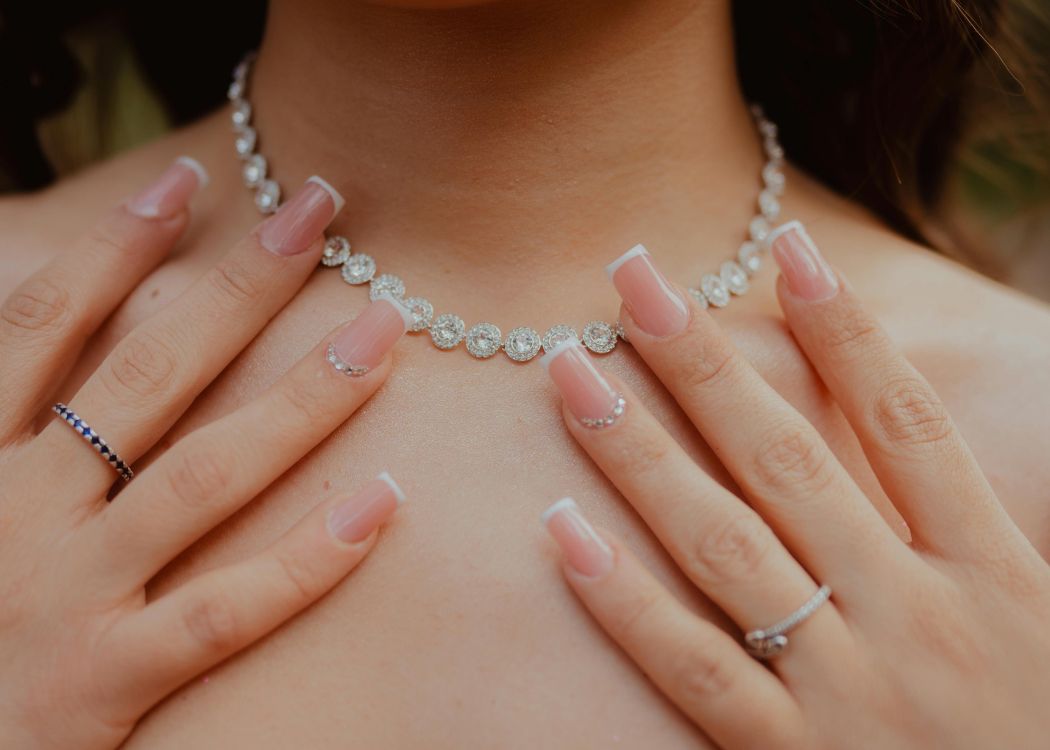
The price of precious metals has been skyrocketing over the past year. While a small reprieve came in mid-March with a slight dip in the price of gold, it resumed its rise through the rest of March and April, with no end to the climb in sight. What’s behind these historic highs? Well…everything. Uncertainty tends to drive precious metals prices up, and one thing we’re certainly lacking right now is certainty. Amid this uncertainty, price consciousness is hitting even luxury consumers. Our challenge now is to demonstrate the value we bring to our customers.
The Luxury Purchase Thought Process
Price hikes hitting standard consumer goods, groceries, and gas are cause for outrage. When times are tough, consumers cut back where they can. It’s hard to cut back on necessities like food and gas. Luxury consumers, on the other hand, aren’t looking to cut their spending on luxury goods but make sure their dollars are well spent. The luxury purchase thought process, especially for younger consumers, is more about value than price. If a product brings real value to someone’s life, they won’t think twice about the price. That’s the job of marketing in this time of ever-increasing prices: communicating your value, making sure customers know that you’re delivering something that is definitely worth it.
Communicating Price Changes
Communicating price changes to customers takes both tact and transparency. First, ask yourself if talking about price is necessary at all. Many high luxury brands don’t even list prices on their website. Talking about price or seeming overly concerned with price is not something many luxury customers are interested in. You have to know your business and know what your customers value before deciding how important talking about price is.
Know Your Value Proposition
When value, not price, is the consumer’s driving concern, jewelry businesses must develop a clear value proposition. Where does the value in your products come from? It’s not just from the metals and gemstones, though purer precious metals and mined gemstones are naturally more valuable. Your value proposition describes the need you are fulfilling for your customers. To create a compelling one, you first have to understand why your customers choose your jewelry.
For legacy luxury brands, the ones that are struggling right now, the value proposition is aspirational: our products will usher you into our kind of lifestyle. That message is no longer resonating with consumers. Where aspirational marketing once felt hopeful, it now comes across as inauthentic. Authenticity is what luxury consumers value. Luxury is less about becoming someone else than it is about being the best version of yourself.
That’s how luxury brands and retailers can continue to thrive even as legacy brands struggle and all but the highest net worth consumers think a little longer before making a discretionary purchase. Luxury consumers are looking for pieces with something to say, pieces that help them express the inexpressible within themselves. They want to express themselves, not someone else’s vision of what they should be.
The only way to connect with customers looking for that kind of authentic self-expression is to create an authentic brand with authentic values. That means doing what your business does best, and doing it with honesty and conviction. Naturally, this approach won’t appeal to everybody, but when you find the people that your approach does appeal to, they will fall in love and won’t be able to imagine themselves wearing anything else.
Resilient Businesses Build Relationships
Ultimately, maintaining margins as precious metal prices soar and consumers tighten their belts is ultimately a question of business resilience. When your business doesn’t have a clear identity, customers don’t have a clear reason to stick with you. But when you provide a clear value and build honest, authentic relationships, your business becomes a part of your customers’ lives, and they’ll stay with you through anything.